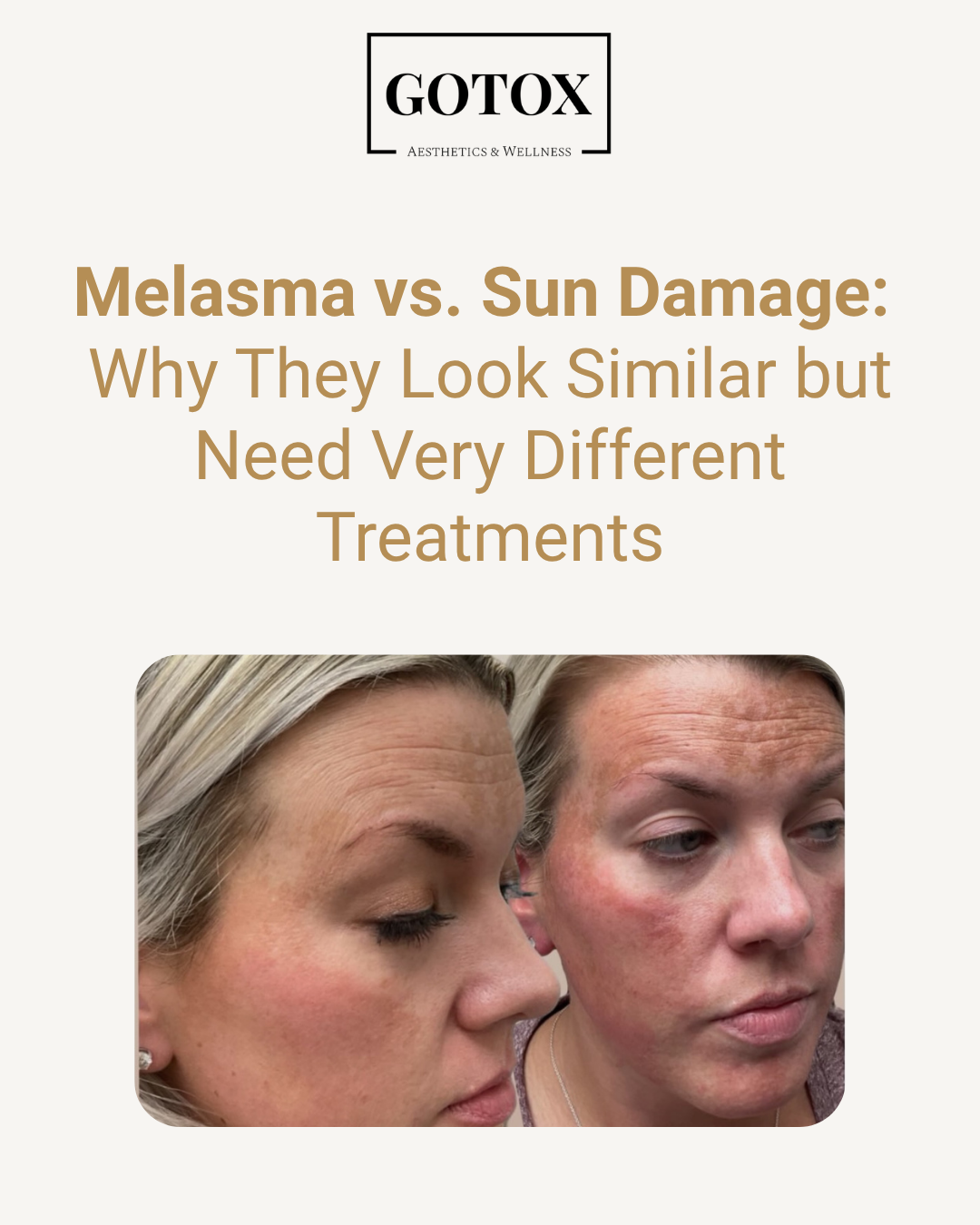
Hello, Summer! With sun bathing comes less makeup-covered faces and more bare skin relaxation. Have you noticed dark patches on your cheeks, forehead, or upper lip and assumed it was sun damage? You’re not alone.
One of the most common misconceptions we see at Gotox Aesthetics is patients confusing melasma with sun damage. While both conditions cause unwanted pigmentation, they develop for very different reasons, and treating them the same way can actually make melasma worse.
Understanding the difference is the first step toward achieving clearer, more even-toned skin. And we’ve got you covered!
What Is Sun Damage?
Sun damage, often called sun spots, age spots, or solar lentigines, develops after years of cumulative UV exposure.
These spots typically appear as:
- Small, individual brown spots
- Scattered across the face, chest, shoulders, and hands
- More noticeable with age
- Darker after time spent in the sun
Sun damage occurs when UV exposure triggers excess melanin production in specific areas of the skin. Over time, those pigment-producing cells create visible dark spots.
What Causes Sun Damage?
- UV exposure
- Tanning beds
- Aging
- Inconsistent sunscreen use
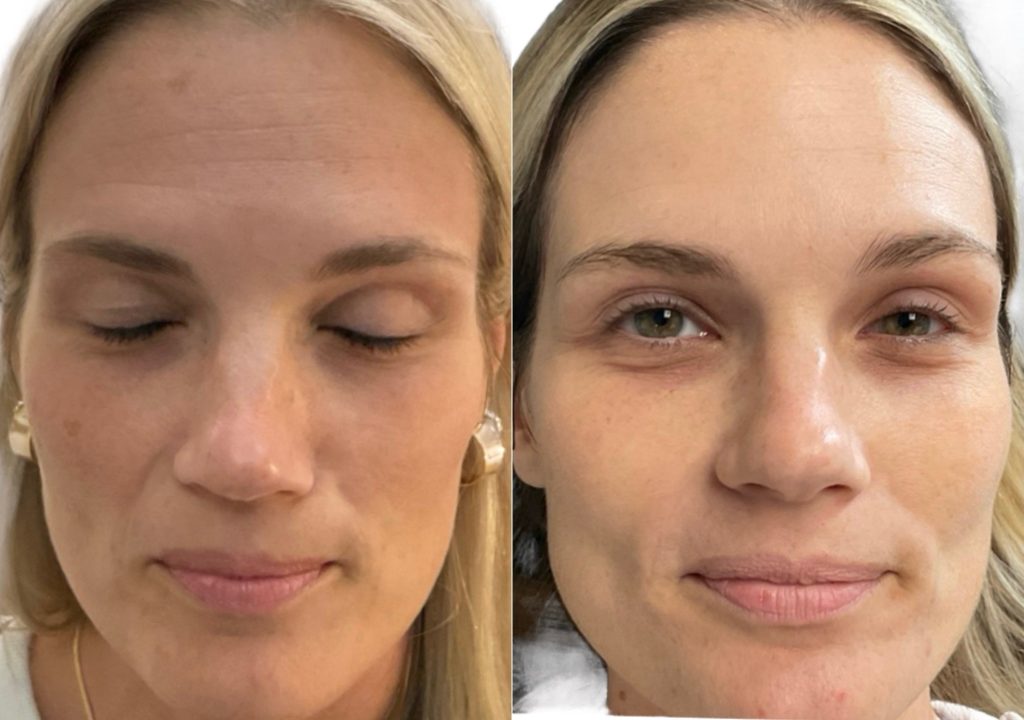
The good news? Sun damage generally responds very well to laser and light-based treatments.
Here is a patient who had her sun damage reversed with PICO:
What Is Melasma?
Melasma is a completely different condition.
Unlike sun spots, melasma is a chronic pigment disorder influenced by hormones, heat, inflammation, and genetics. It often appears as larger, patchy areas of discoloration rather than isolated spots. According to the American Academy of Dermatology, melasma is frequently triggered by hormonal changes, pregnancy, sun exposure, and other internal factors.
Melasma commonly appears:
- Across the cheeks
- Around the eyes
- On the forehead
- Along the upper lip
- In symmetrical, clustered patches
Many people refer to melasma as the “mask of pregnancy” because it commonly develops during pregnancy due to hormonal fluctuations.
Common Melasma Triggers
Melasma can be triggered or worsened by:
- Pregnancy
- Birth control pills
- Hormonal changes
- Heat exposure
- Sun exposure
- Skin inflammation
- Stress
- Genetics
Research shows melasma is influenced by hormonal, inflammatory, and environmental factors, making it far more complex than traditional sun damage.
Why Sunscreen Alone Won’t Stop Melasma
Many patients are surprised to learn that sunscreen, while essential, is not always enough to prevent melasma flare-ups.
That’s because melasma can be activated by:
- Heat
- Hormonal changes
- Inflammation within the skin
Even patients who wear sunscreen religiously may continue to struggle with recurring pigmentation if these underlying triggers aren’t addressed.
Why Treating Melasma Like Sun Damage Can Backfire
This is where proper diagnosis becomes critical.
Many treatments designed for sun damage rely on heat to break apart pigment. While these treatments can be highly effective for sun spots, excessive heat can sometimes worsen melasma. This is why you must know the difference.
Studies have shown that certain light and laser treatments may trigger rebound pigmentation or relapse in melasma-prone patients.
That’s why melasma requires a much more strategic approach.
But, there is hope!!
The Best Treatments for Sun Damage
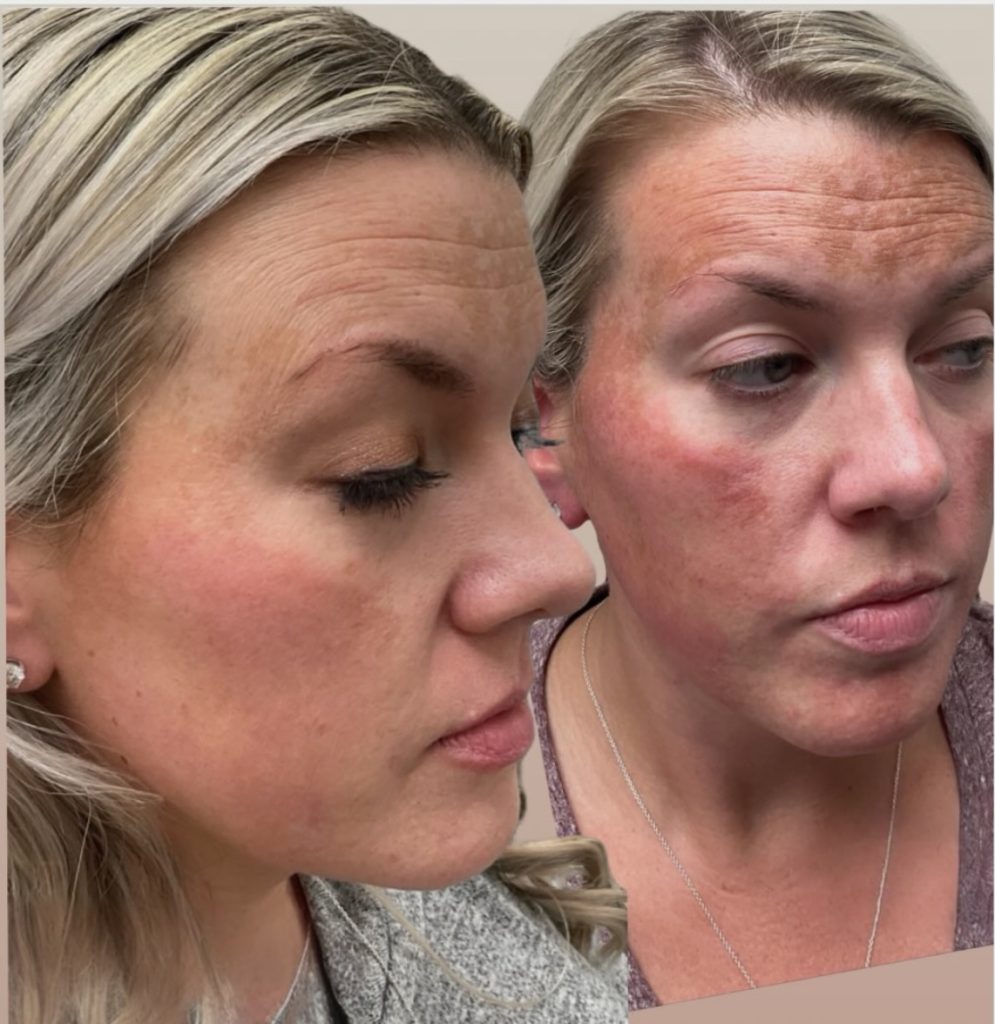
For patients with true sun damage, IPL (Intense Pulsed Light) is often an excellent option.
IPL for Sun Damage
IPL uses light energy to target excess pigment and:
- Fade brown spots
- Improve overall skin tone
- Reduce redness
- Restore a brighter complexion
IPL is particularly effective for treating age spots and sun-induced pigmentation.
Here is a client who had incredible results from IPL treatments:
Screenshot
The Best Treatments for Melasma
Melasma requires a more customized plan.
At Gotox Aesthetics, we often combine medical-grade skincare with advanced laser technology to help safely manage melasma while minimizing the risk of flare-ups.
Pico Laser for Melasma
Unlike IPL, Pico lasers work using a photoacoustic effect rather than primarily relying on heat.
In simple terms, the laser delivers ultra-short pulses that help break apart pigment while generating less heat within the skin. This approach may make a more suitable option for many melasma patients compared to traditional heat-based treatments.
Customized Prescription Creams
Melasma is rarely solved with lasers alone.
That’s why Gotox Aesthetics partners with a local compounding pharmacy to create customized prescription-strength treatment creams tailored to each patient’s needs.
Depending on your skin and pigmentation pattern, these formulations may include ingredients designed to:
- Reduce pigment production
- Brighten discoloration
- Calm inflammation
- Support long-term maintenance
This combination approach often produces better results than relying on a single treatment alone.
How Do You Know Which Type of Pigmentation You Have?
The truth is that many patients have both sun damage and melasma at the same time.
That’s why a professional skin assessment is so important before starting treatment.
At Gotox Aesthetics, we evaluate:
- Pigment pattern
- Skin type
- Hormonal history
- Previous treatments
- Lifestyle triggers
From there, we create a personalized treatment plan designed specifically for your skin.
Ready to Treat Pigmentation the Right Way?
If you’ve been frustrated by dark spots that keep returning despite sunscreen, skincare, or previous treatments, it may be time to determine whether you’re dealing with sun damage, melasma, or both.
Our team at Gotox Aesthetics serves patients throughout Wyandotte, St. Clair Shores, Downriver, and the surrounding Metro Detroit area with customized treatment plans designed to safely address pigmentation concerns and restore confidence in your skin.
Schedule your consultation today and let us help you uncover the root cause of your pigmentation, and the best path forward.